
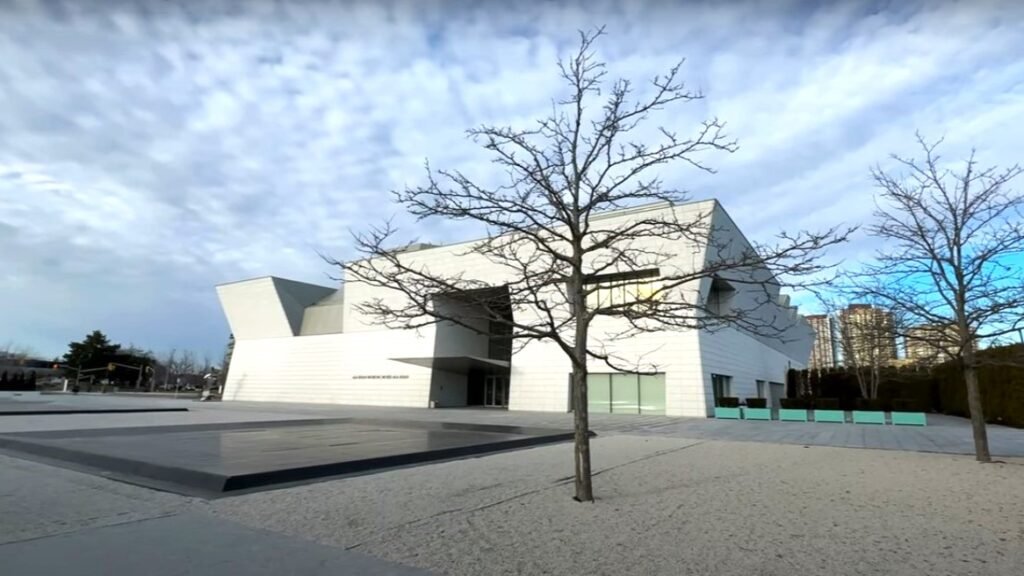
I had heard about the Aga Khan Museum long before I finally visited, but nothing quite prepared me for how calm and immersive the experience would feel. In a city like Toronto—busy, loud, constantly moving—the Aga Khan Museum feels like stepping into a slower rhythm, where art, architecture, and space are given room to breathe.
Located in North York, the museum is not just a place to look at objects behind glass. It’s a space designed to make you pause, observe, and reflect. From the moment I walked toward the building, surrounded by open sky and clean white stone, it felt less like a typical museum visit and more like entering a thoughtfully designed cultural sanctuary.
First Impressions: Architecture That Sets the Mood
Before even stepping inside, the architecture makes an impression. Designed by Japanese architect Fumihiko Maki, the building is minimalist but powerful. The white granite exterior reflects sunlight in a way that constantly changes throughout the day. When I visited, the light bouncing off the walls gave the entire place a soft glow—almost calming before you even reach the entrance.
Inside, natural light plays a huge role. Large windows, sharp angles, and open spaces guide you gently from one gallery to another. I noticed how quiet the museum felt, even with other visitors around. The design doesn’t overwhelm; it invites you to slow down.
This is one of the few museums in Toronto where the building itself feels like part of the exhibition.
Exploring the Collection: More Than Just Artifacts
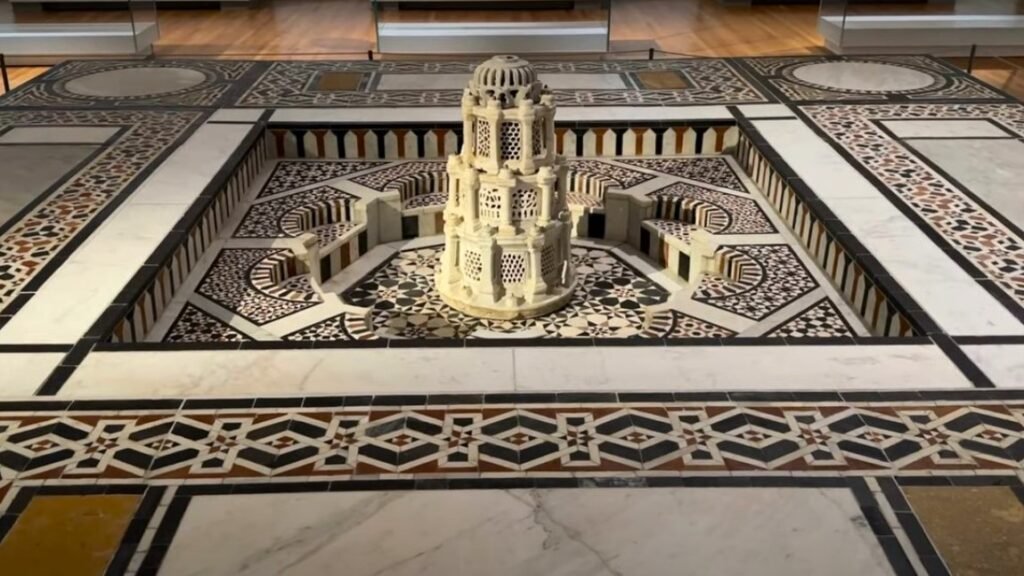
The permanent collection is where the museum truly shines. While many museums focus on a single region or period, the Aga Khan Museum spans over a thousand years of history, covering regions from Spain and North Africa to Iran, Turkey, and South Asia.
What stood out to me wasn’t just the age of the artifacts, but the stories behind them.



What I Personally Found Most Engaging
Manuscripts and Calligraphy
I spent a long time in front of the illuminated manuscripts. Even if you’re not familiar with Arabic or Persian, the precision and artistry are captivating. The calligraphy isn’t just decorative—it carries meaning, rhythm, and intention. One particular manuscript, displayed under soft lighting, stopped me longer than I expected because of the fine gold detailing that only becomes visible when you step closer.
Scientific Instruments
One unexpected highlight was the collection of scientific tools—astrolabes, medical instruments, and early astronomical devices. Seeing these in person made it clear how advanced scientific thinking was in Muslim civilizations centuries ago. Seeing the astrolabes up close, with their engraved markings, made it easier to understand how they were actually used rather than just reading about them.
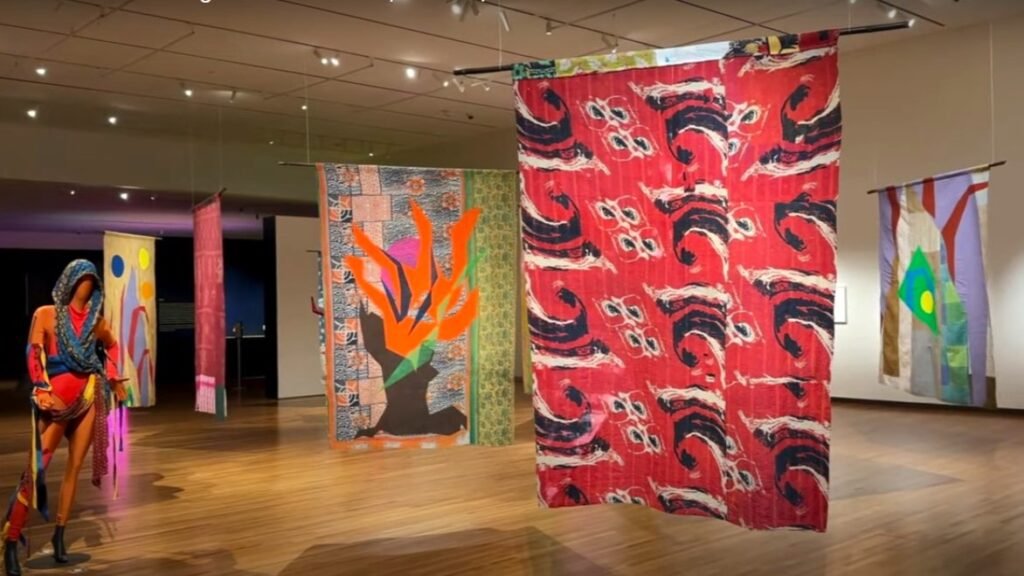
Ceramics and Textiles
The colors, patterns, and craftsmanship felt incredibly detailed. These weren’t objects made only for royalty—they reflected everyday life, trade, and creativity.
The gallery descriptions were clear and accessible, which I appreciated. You don’t need a background in history or art to understand what you’re seeing.
Temporary Exhibitions: A Reason to Return
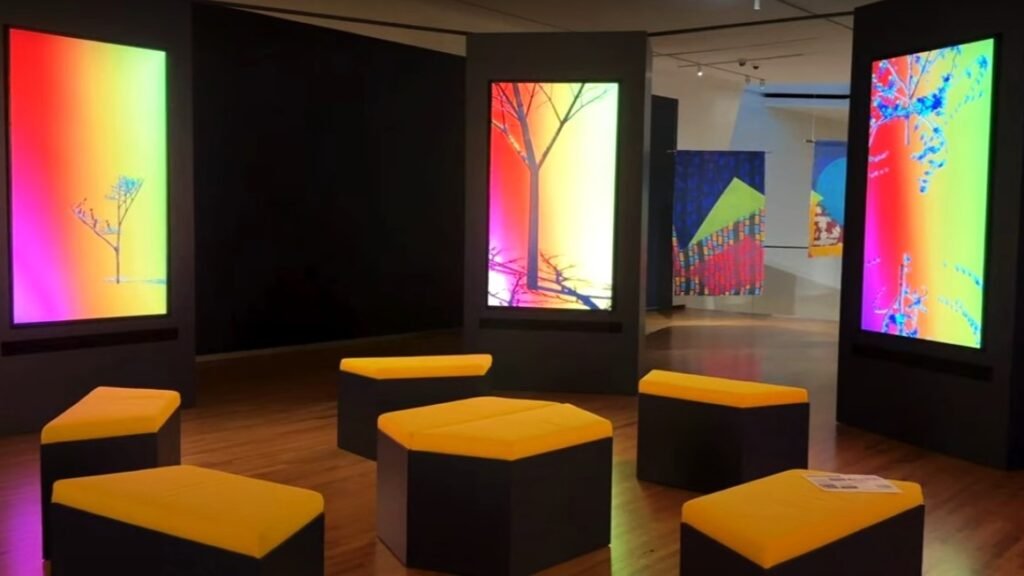
One thing I really like about the Aga Khan Museum is that it doesn’t feel like a “visit once and done” destination. Temporary exhibitions rotate throughout the year, often focusing on contemporary artists, photography, or modern interpretations of traditional themes.
This makes the museum feel alive and current—not frozen in the past. If you live in Toronto, it’s worth checking their exhibition schedule because each visit can feel completely different.
Walking Through Aga Khan Park: A Quiet Bonus
After spending time indoors, I walked through Aga Khan Park, and honestly, this was one of my favorite parts of the visit. The park is free and open to the public, and it feels carefully designed rather than decorative.
Wide paths, reflective pools, and open green space make it ideal for a slow walk or even quiet thinking. When I visited, people were sitting on benches reading, couples were walking quietly, and photographers were taking advantage of the clean lines and symmetry.
In warmer months, the park hosts outdoor events, film screenings, and performances. Even without an event, it’s worth spending time here. I ended up sitting near one of the reflecting pools for a few minutes, just watching how the light shifted across the water.
Dining at Diwan: Worth Planning Ahead
I chose to eat at Diwan Restaurant, and it turned out to be more than just a museum café. The space itself feels special, with historic Syrian wood panels and warm lighting that matches the museum’s calm atmosphere. I ordered a shared mezze plate, and the balance of spices felt subtle rather than overpowering, which suited the calm atmosphere of the museum.
What I Liked About Diwan
The menu reflects flavors from the Middle East, North Africa, and South Asia
Dishes felt thoughtfully prepared rather than rushed
The setting makes it feel like part of the cultural experience, not an afterthought
If you plan to eat here, I strongly recommend making a reservation, especially on weekends.
Educational Programs and Events: Not Just for Tourists
The Aga Khan Museum is also very active as a cultural and educational space. During my visit, I noticed posters and announcements for lectures, performances, and workshops.
They regularly host:
Talks by historians and artists
Calligraphy and art workshops
Music and cultural performances
Family-friendly programs and storytelling sessions
This makes the museum a great place not only for tourists but also for locals looking for meaningful cultural experiences.
Practical Visitor Tips (From My Visit)
- Location: 77 Wynford Drive, Toronto, ON M3C 1K1
- Getting There: It’s easiest by car, but TTC buses also serve the area.
- Hours: The museum is typically open from Tuesday to Sunday. Hours may vary, so it’s best to check the Aga Khan Museum website before visiting.
- Tickets: Admission fees range from $10 to $20, with additional charges for special exhibitions. Children under 6 enjoy free entry.
- Parking: Paid on-site parking is available. I recommend arriving early on weekends.
Photography: Allowed in most areas, but some temporary exhibitions may restrict it.
Accessibility: The museum is fully wheelchair accessible and easy to navigate.
- Website: Aga Khan Museum Official Website
Nearby Attractions
The Aga Khan Museum is conveniently located near other Toronto attractions, making it easy to plan a day of exploration:
- Ontario Science Centre: Located just a few minutes away, this is a fun spot for families with interactive exhibits on science and technology.
- Don Valley Trails: For nature lovers, the Don Valley Trails offer hiking and biking trails along the Don River.
- Flemingdon Park Golf Club: A nearby golf course for visitors interested in a relaxing afternoon of golf.
Where to Stay
If you’re visiting from outside Toronto, there are several accommodation options nearby:
- The Westin Prince Toronto: This upscale hotel is a short drive away and offers comfortable rooms and amenities.
- Don Valley Hotel & Suites: A budget-friendly option with easy access to the museum and nearby attractions.
- Airbnb Options: There are also numerous Airbnb properties in the area for those preferring a homier stay.
Final Thoughts: Is the Aga Khan Museum Worth Visiting?
Absolutely—especially if you’re looking for something quieter and more thoughtful than the typical tourist attractions.
What makes the Aga Khan Museum special isn’t just its collection. It’s the way the space, light, art, and landscape come together to create a calm, meaningful experience. It’s one of those places where you leave feeling more grounded than when you arrived.
If you live in Toronto, it’s worth visiting more than once. If you’re visiting the city, it offers a different side of Toronto—one that values reflection, creativity, and cultural dialogue.
- Does the Aga Khan Museum host special exhibitions?
Yes. During my visit, there were clear signs and staff reminders about rotating exhibitions, which change regularly and give you a reason to return.
- Are there any guided tours at the Aga Khan Museum?
- Can I take photos inside the Aga Khan Museum?
Photography was allowed in most areas during my visit, but staff clearly indicated restrictions in certain exhibition spaces.
- What educational programs does the Aga Khan Museum offer?
The museum regularly hosts workshops, lectures, and performances. When I visited, there were posters promoting upcoming talks and hands-on activities.
- Is the Aga Khan Museum wheelchair accessible?
Yes. All main areas felt easy to navigate, and accessibility clearly seems to be part of the design.
- Does the Aga Khan Museum have an online collection?
Yes. Part of the collection is available online through the official website for those who want to explore further.
- What makes the architecture unique?
What stood out to me was how natural light shapes the interior spaces. The building feels calm and intentional rather than grand or overwhelming.
- Does the Aga Khan Museum host events and festivals?
Yes. Seasonal festivals, performances, and community events are part of the museum’s regular programming.
- Are there membership options for the Aga Khan Museum?
Yes. Membership options offer benefits like free admission and early access to events, which could be worthwhile if you plan to visit more than once.
- Can I purchase Islamic art or souvenirs at the Aga Khan Museum?
Yes. The museum’s gift shop offers a variety of items, from art-inspired gifts to unique souvenirs that reflect Islamic art and culture.